The American Story
A chronological journey through American history in 214 hand-picked picture books and videos, from first contact to the present day. Book links open a borrowable scan on archive.org or the book's Open Library page.
The New World
30 entries
Follow the Dream: The Story of Christopher Columbus by Peter Sís
Christopher Columbus overcomes many obstacles to fulfill his dream of sailing west in 1492 to find a new route to the Orient.
The Travels of John and Sebastian Cabot by Joanne Mattern
In May 1497 John Cabot sails from Bristol, England aboard the Matthew and reaches the North American coast, winning England its first foothold in the new world. His son Sebastian's own voyages of exploration came later.
Amerigo Vespucci: A Primary Source Biography by Lynn Hoogenboom
In 1499 Amerigo Vespucci makes his first certain voyage to the New World, exploring the coast of South America. His conclusion that these lands were a new continent rather than the edge of Asia is why the Americas carry his name.
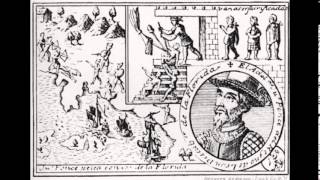
Ponce de Leon by Historycentral
On April 3, 1513 Ponce de León claims Florida for Spain. His 1521 attempt to settle it with 200 colonists ends in failure after a native attack.
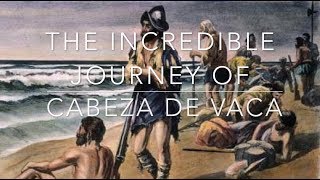
The Incredible Journey of Cabeza De Vaca (1527-1536) by History Time
In 1536 four gaunt survivors of the doomed 1527 Narváez expedition reach a Spanish outpost in Mexico, having walked across North America for eight years.
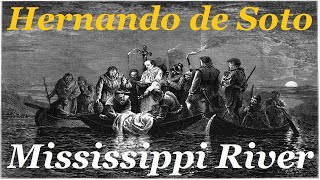
Hernando de Soto crossing the Mississippi River 1539-42 Spanish explorer & conquistador by TIMELINE
Landing in Florida in 1539, the conquistador's expedition pushes through the Southeast and in June 1541 becomes the first Europeans to cross the Mississippi River.
The Cherokees by Virginia Driving Hawk Sneve
The Cherokee enter written history in 1540, when Hernando de Soto's Spanish expedition marches through their Southern Appalachian homeland.
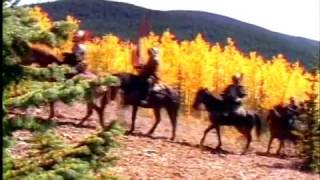
The Coronado Expedition: Coronado National Memorial by Coronado NPS
From 1540 to 1542 Coronado searches the Southwest for the fabled Seven Cities of Gold. He finds none, but his men become the first Europeans to see the Grand Canyon.
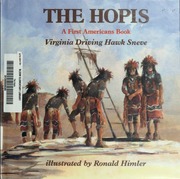
The Hopis by Virginia Driving Hawk Sneve
The Hopi enter written history in 1540, when Coronado sends Pedro de Tovar to their mesa-top villages, the first Europeans to reach them.
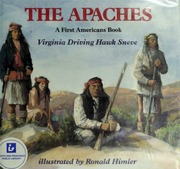
The Apaches by Virginia Driving Hawk Sneve
The Apache enter written history in 1541, when Coronado's expedition records the Querechos, bison hunters of the plains later known as Apache.

Extraordinary Claims, Extraordinary Evidence: Suya, The Southwest's First European Settlement by Deni Seymour
In 1541 the Coronado expedition builds Suya in southern Arizona, the first European settlement in the American Southwest, ended by a Native uprising.
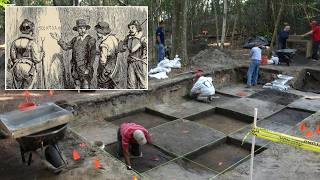
Scientists Finally Solved The Roanoke Colony Mystery - After 400 Years by First Humans
In 1590 Governor John White returns to Roanoke to find the colony vanished and Croatan carved on a post. Recent digs suggest the settlers assimilated with Native tribes.
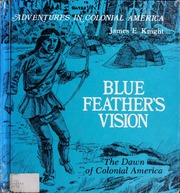
Blue Feather's Vision: The Dawn of Colonial America by James E. Knight
An aged Massachuset chief recalls meeting English strangers in 1591 and knowing that his people's encounters with them would bring immense change and difficulty.
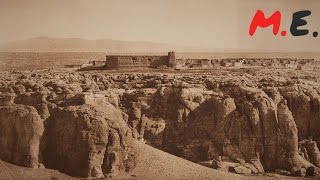
The Acoma Pueblo and Juan de Oñate by MediaEngineers
In 1598 Juan de Oñate brings the first permanent horse herds to what would become New Mexico. Those settlement horses became a constant target for Native raiders, spreading the horse across the American interior.
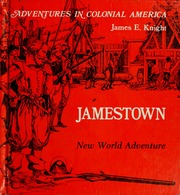
Jamestown: New World Adventure by James E. Knight
Two English children are told the story of their grandfather's experiences as one of the original Jamestown colonists of 1607.
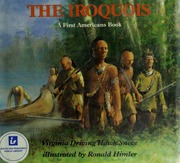
The Iroquois by Virginia Driving Hawk Sneve
The Haudenosaunee enter written history in 1609, when Samuel de Champlain fights and describes the Confederacy on the lake that now bears his name.

If You Sailed on the Mayflower by Ann McGovern
Imagine being a Pilgrim child on the Mayflower's 1620 crossing and during the colony's first winter.
This Is America, Charlie Brown: The Mayflower Voyagers
The Peanuts gang sails with the Pilgrims aboard the Mayflower in 1620, endures the first hard winter at Plymouth, and shares in the first Thanksgiving with the Wampanoag.
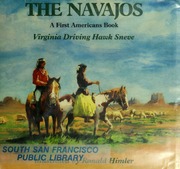
The Navajos by Virginia Driving Hawk Sneve
The Navajo enter written history in 1626, when the Spanish friar Zárate Salmerón first names the Apaches de Nabajó in his account of New Mexico.
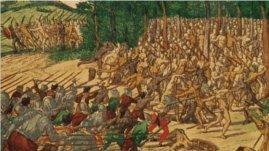
The Pueblo Revolt by PBS LearningMedia
In 1680 the Pueblos, united under Popé, drove the Spanish out of New Mexico for twelve years. The horses left behind spread north, igniting the Plains horse culture.
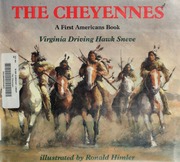
The Cheyennes by Virginia Driving Hawk Sneve
The Cheyenne enter written history in 1680, first noted as the Chaa when a party of them visits La Salle's Fort Crévecoeur on the Illinois River.
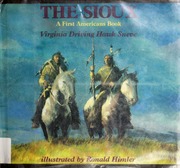
The Sioux by Virginia Driving Hawk Sneve
In 1683 the Sioux enter written history, when Father Louis Hennepin publishes the first detailed European account of the Dakota after living as their captive.
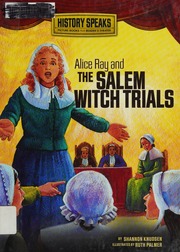
Alice Ray and the Salem Witch Trials by Shannon Knudsen
In 1692, a girl named Alice Ray watches fear and accusation sweep through her Massachusetts village during the Salem witch trials.
The Comanche and the Horse | Native America | Sacred Stories by PBS
The mounted warrior is an iconic image, yet no Native American saw a horse until Europeans brought them. The Comanche turned the horse into a powerful ally and honored it as a relative, a gift from the Creator.
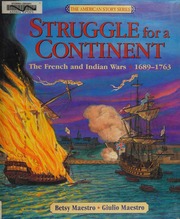
Struggle for a Continent: The French and Indian Wars, 1689-1763 by Betsy and Giulio Maestro
Britain and France battle for North America for decades, ending in the French and Indian War of 1754 to 1763, which drove France from the continent.
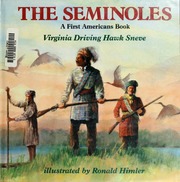
The Seminoles by Virginia Driving Hawk Sneve
The Seminole enter written history around 1765, when colonists first apply the name Seminole to the Native peoples gathering in Florida.
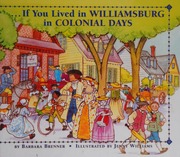
If You Lived in Williamsburg in Colonial Days by Barbara Brenner
See how a child lived, played, and worked in Williamsburg in 1770, just before the American Revolution.
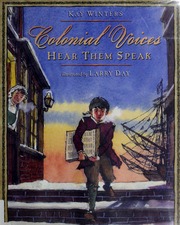
Colonial Voices: Hear Them Speak by Kay Winters
On December 16, 1773, Ethan, a fictional printer's errand boy, races through Boston carrying news of the rebellious meeting that will lead to the Tea Party.
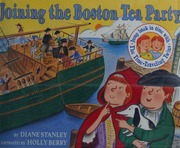
Joining the Boston Tea Party by Diane Stanley
Time-traveling twins step into Boston in 1773 and take part in the protest now called the Boston Tea Party.
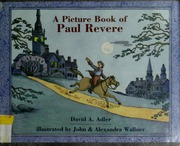
A Picture Book of Paul Revere by David A. Adler
Follow Revere from his boyhood in a Boston silversmith's family to the midnight ride of April 18, 1775, warning that British troops were advancing.
Revolution and Founding
25 entries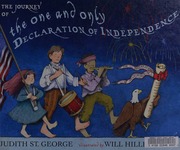
The Journey of the One and Only Declaration of Independence by Judith St. George
See how this 1776 document survived eight wars and traveled by horse, boat, train, and tank before reaching the National Archives.
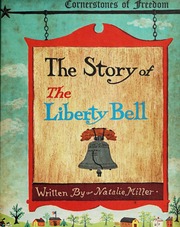
The Story of the Liberty Bell by Natalie Miller
Cast in 1752 for the Pennsylvania State House, the bell rang through the years of independence, later cracked and fell silent, and was renamed the Liberty Bell by Americans working to end slavery.
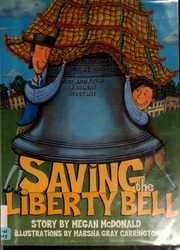
Saving the Liberty Bell by Megan McDonald, illustrated by Marsha Gray Carrington
In 1777, as British troops march on Philadelphia, patriots load the great bell onto a wagon and haul it north to hide it, keeping it from being melted down into cannon.
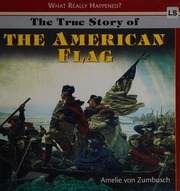
The True Story of the American Flag by Amelie von Zumbusch
In June 1777 Congress votes the flag thirteen stripes and thirteen stars, and the banner grows with the country as each new state adds its star.
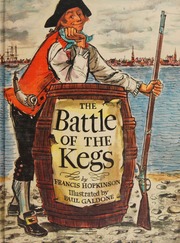
The Battle of the Kegs by Francis Hopkinson
In January 1778 patriots float gunpowder kegs down the Delaware toward the British fleet, and a signer of the Declaration mocks the panic in a ballad.
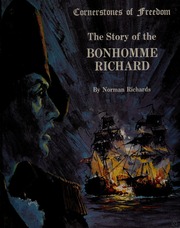
The Story of the Bonhomme Richard by Norman Richards
On September 23, 1779, John Paul Jones lashes his sinking flagship to the British Serapis off England's coast and fights on until the enemy strikes.
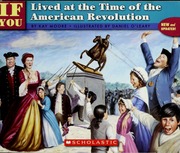
If You Lived at the Time of the American Revolution by Kay Moore
Imagine being a child between 1775 and 1783, when families had to choose among the Patriots, the Loyalists, and those trying to remain neutral.
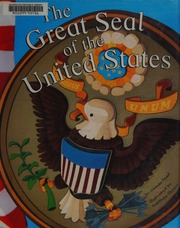
The Great Seal of the United States by Norman Pearl
Adopted in June 1782 after six years of committees, the eagle with its olive branch and thirteen arrows becomes the stamp on America's most important papers.
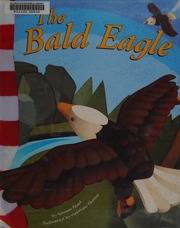
The Bald Eagle by Norman Pearl
In 1782 Congress sets the bald eagle on the Great Seal, and the fierce fishing bird of American rivers and coasts becomes the nation's living symbol.
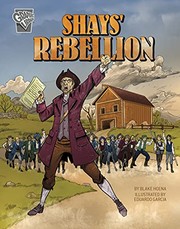
Shays' Rebellion by Blake Hoena, illustrated by Eduardo Garcia
In the winter of 1786-87, debt-ridden farmers led by veteran Daniel Shays take up arms against the Massachusetts courts, and a closing chapter shows how the revolt pushed the states toward a stronger Constitution.
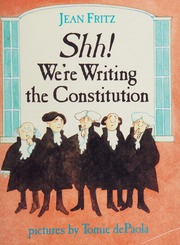
Shh! We're Writing the Constitution by Jean Fritz
See how delegates argued, compromised, and wrote the Constitution in 1787, then worked to get the states to ratify it.
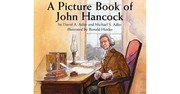
A Picture Book of John Hancock by David A. Adler
See how a boy raised by his merchant uncle became the first man to sign the Declaration of Independence in 1776.

A Picture Book of John and Abigail Adams by David A. Adler
John and Abigail grow from Massachusetts children into partners whose letters tell what the Revolution was like for their family in 1776.
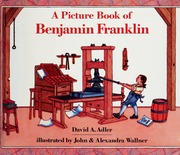
A Picture Book of Benjamin Franklin by David A. Adler
Meet a curious Boston boy who became a printer, inventor, and elder statesman at the Constitutional Convention of 1787.
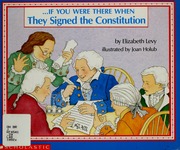
If You Were There When They Signed the Constitution by Elizabeth Levy
Imagine sitting inside the Constitutional Convention of 1787 as the delegates argue over how the new government should work.
This Is America, Charlie Brown: The Birth of the Constitution
Charlie Brown and the gang look in on the Constitutional Convention of 1787 in Philadelphia, where the delegates argue, compromise, and frame the Constitution.
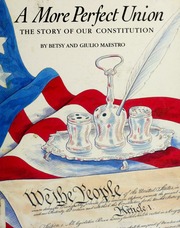
A More Perfect Union: The Story of Our Constitution by Betsy Maestro, illustrated by Giulio Maestro
In 1787-88 the new Constitution goes to the states one by one for approval, and supporters like Hamilton and Madison press the case until the ninth state, then wary Virginia and New York, ratify the union.
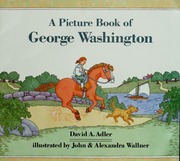
A Picture Book of George Washington by David A. Adler
Follow a Virginia boy who became commander of the Continental Army and took office as the first president in 1789.
This Is America, Charlie Brown: The Smithsonian and the Presidency
A tour of the Smithsonian and the story of the American presidency, from George Washington through the modern era.
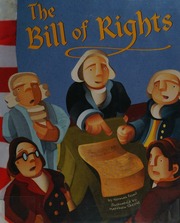
The Bill of Rights by Norman Pearl, illustrated by Matthew Skeens
Ratified in 1791, the first ten amendments set down the freedoms the states had demanded as the price of the Constitution, from speech and religion to a fair trial and the right to bear arms.
Alexander Hamilton and the Establishment of a National Bank by PBS American Experience
Watch how Alexander Hamilton won out over Thomas Jefferson and James Madison to establish the First Bank of the United States in 1791, the cornerstone of the new nation's financial system.
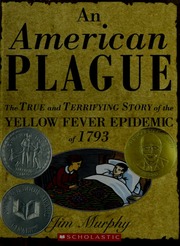
An American Plague: The True and Terrifying Story of the Yellow Fever Epidemic of 1793 by Jim Murphy
In August 1793 a fever empties Philadelphia, then the nation's capital, while Black volunteers nurse the sick and the government flees with everyone else.
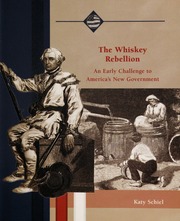
The Whiskey Rebellion: An Early Challenge to America's New Government by Katy Schiel
In 1794 western Pennsylvania farmers took up arms against a federal tax on whiskey, and Washington rode out at the head of the militia, proving the young government could enforce its own laws.
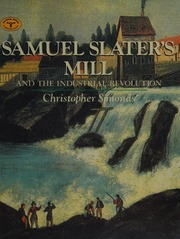
Samuel Slater's Mill and the Industrial Revolution by Christopher Simonds
A biography of Samuel Slater, the English mill worker who memorized Britain's guarded spinning-machine designs, sailed to America in 1789 defying laws that barred textile workers from emigrating, and by 1793 built the nation's first water-powered cotton mill.

Mill Times: David Macaulay's PBS History Special (2001)
David Macaulay's animated and live-action special traces the textile Industrial Revolution from Manchester, England to Lowell, Massachusetts, set in a small New England mill town like the Pawtucket where Slater built America's first mill.
The Young Republic
38 entries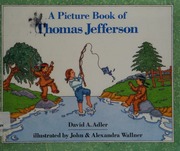
A Picture Book of Thomas Jefferson by David A. Adler
Follow a Virginia boy who became the writer of the Declaration of Independence and doubled the country's size with the Louisiana Purchase in 1803.
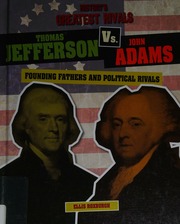
Thomas Jefferson vs. John Adams: Founding Fathers and Political Rivals by Ellis Roxburgh
In 1800 the young republic handed power from one party to the other for the first time without a shot fired. The vicious campaign ended the long friendship between Adams and Jefferson, and a tie with Burr threw the choice to the House, which needed 36 ballots to make Jefferson president.
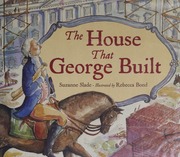
The House That George Built by Suzanne Slade, illustrated by Rebecca Bond
Begun in 1792 with Washington choosing the site and checking on every digger, sawyer and bricklayer, the President's House took eight years to rise; John Adams moved into the still-unfinished mansion in November 1800, and George himself never lived there.
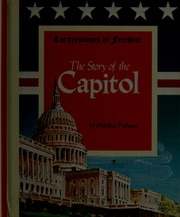
The Story of the Capitol by Marilyn Prolman, illustrated by Robert O'Malley
A design contest in 1792 chose the plan, and Congress first met in the unfinished building in 1800. British troops burned it in 1814, and it was rebuilt and finally crowned with its great iron dome during the Civil War.

The Fidler Map | Calgary's Story by Calgary Public Library
In 1801 the Blackfoot chief Ac ko mok ki draws the first recorded map of Blackfoot territory, named for Peter Fidler, the trader who transcribed it.
The 12th Amendment Explained by Civics, minus the headache
Ratified in 1804, the 12th Amendment fixed the flaw the 1800 tie had exposed, giving electors separate ballots for president and vice president so the two offices could no longer deadlock.
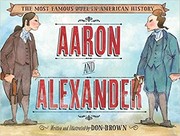
Aaron and Alexander: The Most Famous Duel in American History by Don Brown
On July 11, 1804, Vice President Aaron Burr and former Treasury Secretary Alexander Hamilton row across the Hudson to Weehawken, New Jersey to settle years of rivalry with pistols, and Hamilton falls, mortally wounded.
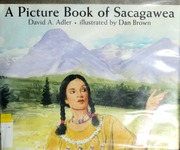
A Picture Book of Sacagawea by David A. Adler
Travel with a Shoshone teenager who carried her baby and helped Lewis and Clark cross the West from 1804 to 1806.
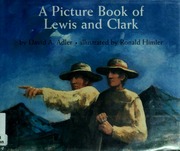
A Picture Book of Lewis and Clark by David A. Adler
See how two boys grew up to lead the Corps of Discovery across the continent from 1804 to 1806.
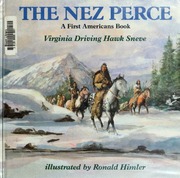
The Nez Perce by Virginia Driving Hawk Sneve
The Nez Perce enter written history in 1805, when Lewis and Clark, starving out of the Bitterroots, are met and fed by them on the Clearwater.
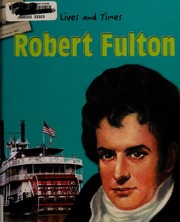
Lives and Times: Robert Fulton by Jennifer Blizin Gillis
Introduces the life of Robert Fulton, including his invention of a safe and quick steamboat.
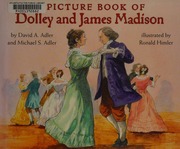
A Picture Book of Dolley and James Madison by David A. Adler
See how James and Dolley grew up to become president and first lady, then fled Washington when British troops arrived in 1814.
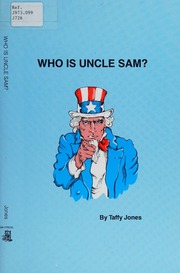
Who Is Uncle Sam? by Taffy Jones
Legend says soldiers in the War of 1812 saw the U.S. stamped on Sam Wilson's barrels of army beef and joked it stood for their Troy meatpacker, Uncle Sam. The nickname stuck to the whole federal government, and cartoonists later gave him his stars, stripes and beard.
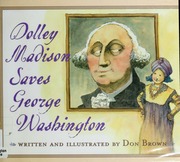
Dolley Madison Saves George Washington by Don Brown
On August 24, 1814, British troops marched into Washington and burned the President's House. Dolley Madison refused to flee until the portrait of George Washington was cut free and carried to safety, and the rebuilt mansion did not reopen until 1817.
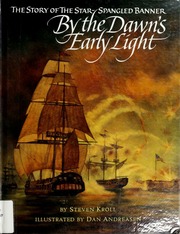
By the Dawn's Early Light: The Story of the Star-Spangled Banner by Steven Kroll, illustrated by Dan Andreasen
Held aboard a British truce ship in September 1814 while negotiating a friend's release, lawyer Francis Scott Key watched the 25-hour bombardment of Fort McHenry and, when the flag still flew at dawn, wrote the verses on the back of a letter. Congress finally made his song the national anthem in 1931.
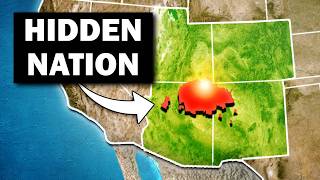
How Native American Reservations Actually Work by Versed
In Johnson v. M'Intosh (1823) the Supreme Court ruled that discovery gave the United States ultimate title to all Native land, leaving tribes only a right of occupancy that the government could take away. That doctrine still underlies federal Indian law and the reservation system today.
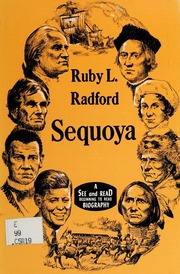
Sequoya by Ruby Lorraine Radford
A Cherokee silversmith who could not read any language spent a dozen years inventing a writing system for his own. He finished his syllabary of 86 characters in 1821, the Cherokee Nation formally adopted it in 1825, and within a few years most of the nation could read and write Cherokee.
The Tariff of Abominations! by Mr Bacalles
In 1828 Congress pushed duties on imported goods to nearly 50 percent, protecting Northern factories while raising prices across the agricultural South. Furious South Carolinians called it the Tariff of Abominations and claimed a state could nullify federal law, an early rehearsal of the argument that ended in secession.
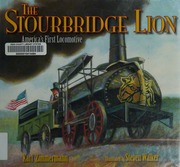
The Stourbridge Lion: America's First Locomotive by Karl R. Zimmermann
The English-built steam locomotive that in 1829 became the first to run on rails in America, at Honesdale, Pennsylvania. Too heavy for its wooden track, it ran only a few times, but it opened the age of American railroading.
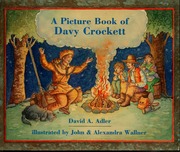
A Picture Book of Davy Crockett by David A. Adler
Follow a Tennessee frontier boy who became a hunter, congressman, and defender of the Alamo in 1836.
This Is America, Charlie Brown: The Music and Heroes of America
A romp through American folk heroes and the songs of the country, from tall-tale legends to the music that carried the nation's story.
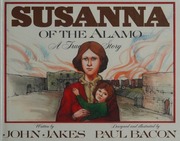
Susanna of the Alamo: A True Story by John Jakes
When the Alamo falls in 1836, Santa Anna frees Susanna Dickinson and her baby and sends her to Sam Houston with a warning. Her account instead fires Texan resolve.
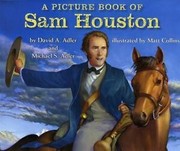
A Picture Book of Sam Houston by David A. Adler
Follow a restless Tennessee teenager who lived with the Cherokee and later led Texas to independence in 1836.
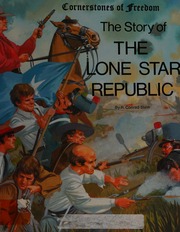
The Story of the Lone Star Republic by Conrad Stein
For nine years, from 1836 to 1845, the Republic of Texas existed as an independent nation, before it joined the United States as a state.
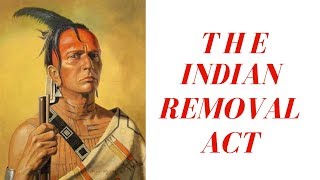
History Brief: Indian Removal by Reading Through History
The Indian Removal Act of 1830 pushed some 60,000 people of the Cherokee, Choctaw, Chickasaw, Creek and Seminole nations off their southeastern homelands. On the Cherokee march of 1838 alone, about 4,000 of 16,000 people died on the way to Oklahoma.
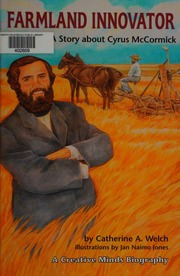
Farmland Innovator: A Story About Cyrus McCormick by Catherine A. Welch
The story of how Cyrus McCormick took up the horse-drawn reaper his father had struggled for years to perfect, made it work, and by 1840 was selling the machine that would transform the American harvest.
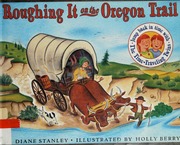
Roughing It on the Oregon Trail by Diane Stanley
Time-traveling twins join a wagon train in 1843 and learn what children faced on the Oregon Trail.
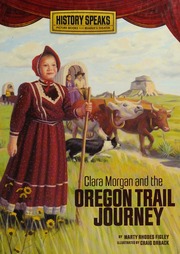
Clara Morgan and the Oregon Trail Journey by Marty Rhodes Figley
A girl named Clara Morgan and her family endure the long, hard wagon journey west along the Oregon Trail in the 1840s.
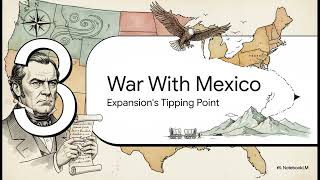
Texas Revolution to Mexican Cession by Mr. Patriot
The Mexican-American War ends in 1848 with the Mexican Cession, when Mexico gives up the Southwest, from Texas to California, to the United States.
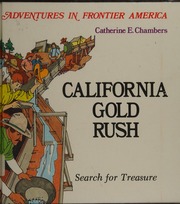
California Gold Rush: Search for Treasure by Catherine E. Chambers
In California in 1848, two brothers helping to build a sawmill for John Sutter witness the discovery of gold and decide to stake out a claim for themselves.
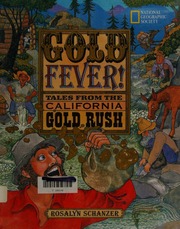
Gold Fever!: Tales from the California Gold Rush by Rosalyn Schanzer
Lighthearted illustrations and firsthand excerpts from letters, journals, and newspaper articles tell the story of the California Gold Rush of 1848.
Seneca Falls Convention of 1848 by Daily Dose Documentary
In July 1848 some 300 reformers met in a New York chapel, where Elizabeth Cady Stanton's Declaration of Sentiments first demanded women's right to vote.
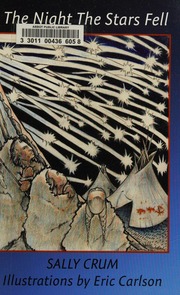
The Night the Stars Fell by Sally Crum
A book of verse on the great Leonid meteor storm of November 1833. Plains peoples marked that night in their winter counts as the year the stars fell.
Winter Count by US National Archives
From about 1700 into the late 1800s, Dakota and Lakota keepers marked each year on a buffalo hide with one picture, a winter count. The 1833 Leonid meteor storm appears in nearly all of them.
The Tuttle Twins Learn About the Law by Connor Boyack
In June 1850 the French economist Frederic Bastiat published The Law, asking when law protects property and when it plunders it. The twins investigate.

The Tuttle Twins and the Case of the Broken Window by Connor Boyack
From an 1850 Bastiat essay: a smashed window seems to make work, but what the repair money would have bought is lost. The twins crack the seen and unseen.
Oil Creek & Titusville Railroad: A Journey Through the Valley That Changed the World by Gary Joseph
The narration played aboard the Oil Creek and Titusville Railroad, telling how the world's first oil well was drilled in the valley near Titusville, Pennsylvania in 1859 and how that discovery changed the world.
Pony Express! by Steven Kroll
The dramatic eighteen-month run of the Pony Express, whose relay of daring young horseback riders carried the mail nearly 2,000 miles from Missouri to California in about ten days, starting with the first ride in April 1860.
Civil War and Reconstruction
14 entries
A Picture Book of Abraham Lincoln by David A. Adler
Follow a poor frontier boy who taught himself to read and became the president who issued the Emancipation Proclamation in 1863.
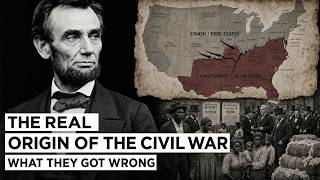
The True Origin of the American Civil War: What Historians Get Wrong by Markets of the Past
The war's causes ran back decades before Fort Sumter: an economy in which four million enslaved people were the country's single most valuable financial asset, and a North and South racing to control the western territories. The states-rights myth collapses in the seceding states' own declarations, which name slavery as the cause again and again.
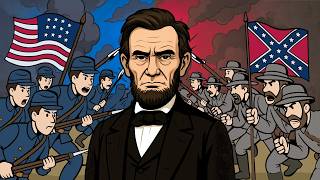
The American Civil War Explained in 24 Minutes by Agent Flappy
Between 1861 and 1865 eleven Southern states seceded to preserve slavery, and the war to bring them back killed more Americans than every other U.S. war combined, roughly 750,000. It ended slavery, saved the Union and cost Lincoln his life five days after the surrender.
A Picture Book of Robert E. Lee by David A. Adler
Follow a Virginia boy from a military family who grew up to command the Confederate Army from 1862 to 1865.
How the 13th amendment accidentally kept slavery alive. Amendment 13 explained! by Civics Review
Ratified December 6, 1865, the 13th Amendment ends slavery in the United States, but its exception for those convicted of crimes leaves a loophole with lasting consequences.
Reconstruction: The Good, the Bad and the Ugly by PragerU (Allen Guelzo)
From 1865 to 1877 Reconstruction began with real promise: Black men voted, held office and served in Congress. It ended as a great missed opportunity, undone by presidential weakness, Klan terror and Northern retreat, and the rights promised by the 14th and 15th Amendments went largely unenforced for nearly a century.
What Happened to Confederates After the Civil War? | Animated History by The Armchair Historian
From 1865 to 1877 the nation tried to rebuild the South and define freedom for four million freed people. The 14th Amendment (1868) granted citizenship and equal protection, the 15th (1870) the vote regardless of race, and the defeated Confederates had to decide whether to accept the new order or resist it.
This Is America, Charlie Brown: The Building of the Transcontinental Railroad
Charlie Brown gives a presentation on how the Central Pacific built eastward from California while the Union Pacific built westward from the Missouri River, until the two lines met at Promontory Summit, Utah on May 10, 1869.
Benjamin Brown and the Great Steamboat Race by Shirley Jordan
In 1870, a boy named Benjamin Brown witnesses the famous Mississippi River race between the steamboats Natchez and Robert E. Lee as they speed from New Orleans to St. Louis.
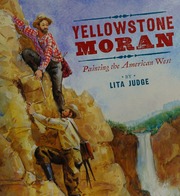
Yellowstone Moran: Painting the American West by Lita Judge
Thomas Moran's grand paintings of Yellowstone help persuade Congress, and on March 1, 1872 President Grant makes it America's first national park.
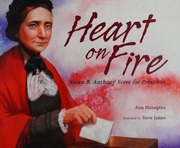
Heart on Fire: Susan B. Anthony Votes for President by Ann Malaspina, illustrated by Steve James
In November 1872 Susan B. Anthony registered and cast a ballot in Rochester, New York, and was arrested for it. At her 1873 federal trial the judge ordered the jury to find her guilty, and she told the court she would never pay a dollar of its unjust penalty. She never did.
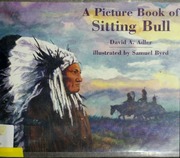
A Picture Book of Sitting Bull by David A. Adler
Follow a Lakota boy who earned his adult name through bravery and became a leader during the Battle of the Little Bighorn in 1876.
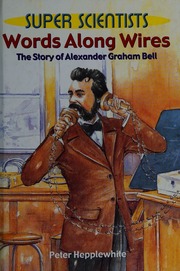
Words Along Wires: The Story of Alexander Graham Bell by Peter Hepplewhite
Told through the eyes of one of his students, the story of how Alexander Graham Bell taught, invented the telephone with his assistant Thomas Watson, and founded the Bell Telephone Company in 1877.
This Is America, Charlie Brown: The Great Inventors
Snoopy and the gang meet America's great inventors, from Eli Whitney and Samuel Morse to Alexander Graham Bell and Thomas Edison, and see how their inventions changed the country.
Invention and Industry
16 entries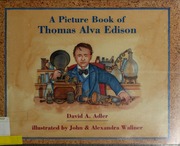
A Picture Book of Thomas Alva Edison by David A. Adler
Meet a curious boy who built experiments at home and later tested thousands of materials before producing a practical electric light in 1879.
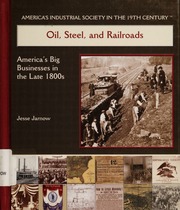
Oil, Steel, and Railroads: America's Big Businesses in the Late 1800s by Jesse Jarnow
A survey of America's three giant late-1800s industries: oil, organized under Rockefeller's Standard Oil in 1870; steel, poured at Carnegie's first mill in 1875; and railroads, joined coast to coast in 1869.
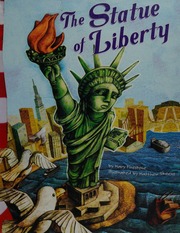
The Statue of Liberty by Mary Firestone, illustrated by Matthew Skeens
In 1886 France's gift is unveiled in New York Harbor, and the copper woman lifting her torch becomes the first sight of America for the millions of immigrants whose ships pass her on the way to Ellis Island.
I Pledge Allegiance by June Swanson, illustrated by Rick Hanson
Written in 1892 by minister Francis Bellamy for a magazine campaign to put a flag in every schoolhouse, the pledge has been revised ever since: the flag got named in the 1920s, the stiff-armed salute became hand-over-heart in 1942 because it looked like the fascist salute, and Congress added under God in 1954.
Andrew Carnegie: Builder of Libraries by Charnan Simon
The story of how Andrew Carnegie used his steel fortune to build free public libraries in Pittsburgh and many other places, aiming to improve community life.
The Inventor's Secret: What Thomas Edison Told Henry Ford by Suzanne Slade
In 1896 a discouraged Henry Ford meets his hero Thomas Edison, whose burst of encouragement pushes him to keep building his car. The two become lifelong friends.
Spanish-American War | 3 Minute History by Jabzy
In 1898 the United States defeats Spain in a swift war, freeing Cuba and taking Puerto Rico, Guam, and the Philippines, and stepping onto the world stage as a power.
This Is America, Charlie Brown: The Wright Brothers
Charlie Brown and Linus travel to Kitty Hawk, North Carolina in 1903 and watch as Orville and Wilbur Wright make the first powered airplane flight, while the rest of the Peanuts gang helps ready the aircraft.
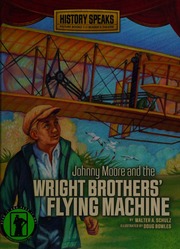
Johnny Moore and the Wright Brothers' Flying Machine by Walter A. Schulz
A young local boy named Johnny Moore, one of only a handful of witnesses on the beach at Kitty Hawk, watches Orville and Wilbur Wright make the first powered airplane flight in December 1903.
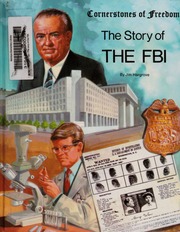
The Story of the FBI by Jim Hargrove
On July 26, 1908, Attorney General Charles Bonaparte hires a small squad of detectives, named the Bureau of Investigation a year later and now the 35,000-strong FBI.
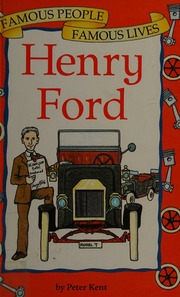
Henry Ford by Peter Kent
Follow a Michigan farm boy through his life to 1908, when he produced the Model T and met his goal of making a car that was affordable, reliable, and easy to drive.
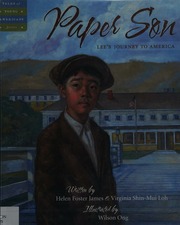
Paper Son: Lee's Journey to America by Helen Foster James and Virginia Shin-Mui Loh, illustrated by Wilson Ong
From 1910 to 1940 the Angel Island station in San Francisco Bay enforced the Chinese Exclusion Act, detaining arrivals in locked barracks for weeks or months. Twelve-year-old Lee crosses the Pacific in 1926 as a paper son, carrying a memorized false family history that one wrong answer could unravel.
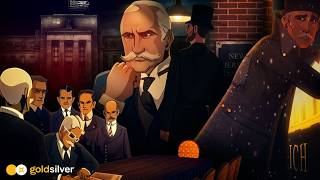
The Creature from Jekyll Island | The True Story of the Federal Reserve by GoldSilver
In November 1910 six men slipped away to a private Georgia island resort and secretly drafted the banking plan that became the Federal Reserve in 1913.
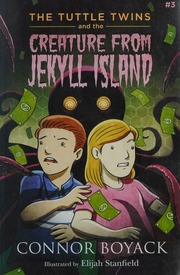
The Tuttle Twins and the Creature from Jekyll Island by Connor Boyack
The kid-level version of the 1910 Jekyll Island story: a hidden creature quietly shrinks Grandma and Grandpa's savings as the twins learn how money loses value.
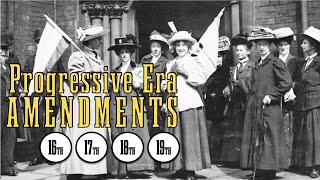
Progressive Era Amendments: 16th 17th 18th 19th by RamageTeach
Ratified February 3, 1913, the income tax opened a wave of Progressive amendments: senators by direct election, Prohibition and votes for women followed.
America's Biggest Scam: The Federal Reserve by Learn Liberty
Signed December 23, 1913, the Federal Reserve Act created a central bank with power over the nation's money and credit, fulfilling the Jekyll Island plan.
Boom, Bust and World Wars
32 entries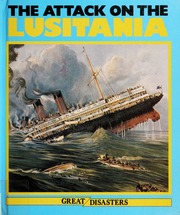
The Attack on the Lusitania by Rupert Matthews
On May 7, 1915 a German U-boat torpedoes the British liner Lusitania, killing nearly 1,200 people, including Americans, and pushing the US toward war.
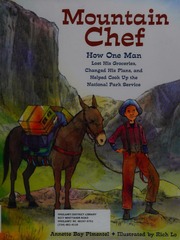
Mountain Chef by Annette Bay Pimentel
The Chinese American trail cook Tie Sing dazzles the 1915 expedition that built support for the National Park Service, created by Congress on August 25, 1916.
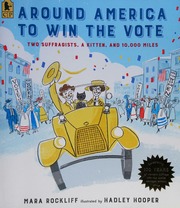
Around America to Win the Vote by Mara Rockliff
In April 1916 suffragists Nell Richardson and Alice Burke set out from New York in a little yellow car, with a kitten, to drive 10,000 miles for the vote.
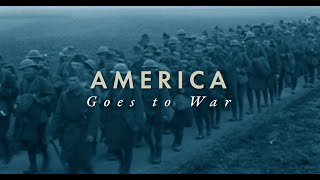
How WWI Changed America: America Goes to War by National WWI Museum and Memorial
In 1917 the United States enters World War I, sending millions of soldiers to Europe and helping tip the long stalemate toward Allied victory.
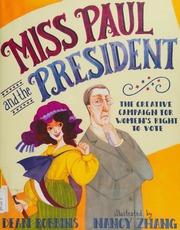
Miss Paul and the President by Dean Robbins
In 1918, after years of Alice Paul's parades and White House pickets, President Wilson tells the Senate that votes for women are vital to winning the war.
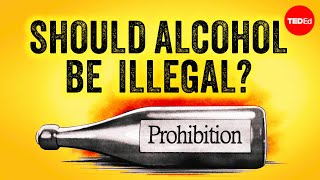
What Happened When the United States Banned Alcohol by TED-Ed (Rod Phillips)
In 1920 the 18th Amendment banned the making and selling of alcohol nationwide. The ban fed bootleggers and gangsters instead of ending drinking, and in 1933 the 21st Amendment repealed it, the only amendment ever passed to undo another.
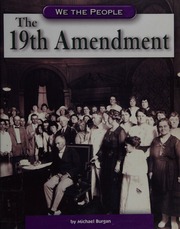
The 19th Amendment by Michael Burgan
In August 1920 Tennessee's ratification made the 19th Amendment law, and after seventy years of marches, petitions and arrests American women could vote.
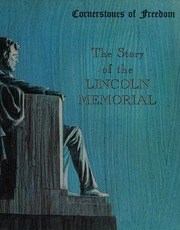
The Story of the Lincoln Memorial by Natalie Miller
Dedicated on May 30, 1922, the marble temple to Lincoln became a national gathering place, where Marian Anderson sang in 1939 and Dr. King spoke in 1963.
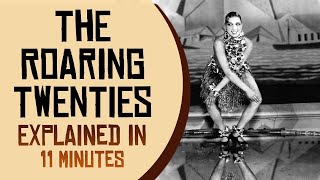
The Roaring Twenties Explained in 11 minutes by Captivating History
Through the 1920s a booming economy brought cars, radios, jazz and the movies into everyday American life, a decade of new money and new freedoms.
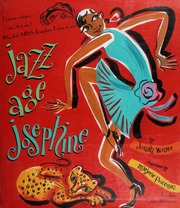
Jazz Age Josephine by Jonah Winter
In 1925 Josephine Baker, a poor kid from St. Louis who danced her way onto Broadway, sails for Paris and becomes the jazz age's brightest star.

America's Champion Swimmer: Gertrude Ederle by David A. Adler
On August 6, 1926 nineteen-year-old Gertrude Ederle becomes the first woman to swim the English Channel, beating the men's record by nearly two hours.
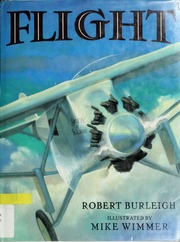
Flight: The Journey of Charles Lindbergh by Robert Burleigh
On May 20, 1927 Charles Lindbergh lifts off from New York alone in the Spirit of St. Louis and lands in Paris 33 sleepless hours later, the first solo crossing.
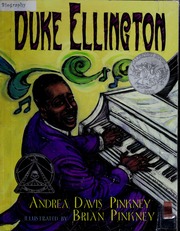
Duke Ellington: The Piano Prince and His Orchestra by Andrea Davis Pinkney
By 1927 Duke Ellington's orchestra rules Harlem's Cotton Club, and the radio carries his swinging compositions into living rooms across America.
The Great Depression Explained Like You’re 5 by Crayon Capital
In October 1929 the stock market collapsed, wiping out fortunes and savings overnight and tipping the country into the Great Depression, a decade of hardship.
The Great Depression Explained in One Minute by One Minute Economics
From 1929 to 1933 some 9,000 American banks failed, families lost their savings, and the money supply shrank by a third, deepening the slump for a decade.
POV: Your Life During The Great Depression by The Financial Archives
By 1932 one in four American workers had no job. Families stretched soup thin, patched clothes, stood in bread lines and moved in together to survive.
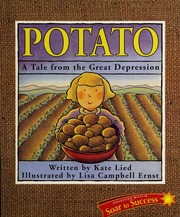
Potato: A Tale from the Great Depression by Kate Lied
In the early 1930s, with Dad's job and the bank both gone, a family drives to Idaho to pick potatoes and trades spuds for what they need. A true family story.
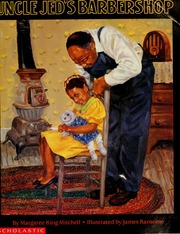
Uncle Jed's Barbershop by Margaree King Mitchell
Through the early 1930s a Black barber in the segregated South saves for a shop of his own, loses it all in a bank failure, and starts over. At 79 he opens it.
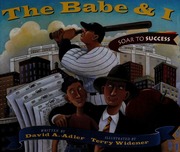
The Babe & I by David A. Adler
In the summer of 1932 a boy discovers his father has secretly lost his job, so he sells newspapers, and one day sells one to Babe Ruth himself.
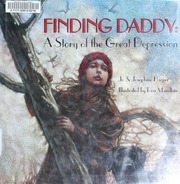
Finding Daddy: A Story of the Great Depression by Jo Harper
In the mid-1930s Bonnie's father loses his job and vanishes in shame, so she sets out across the hard countryside to find him and bring him home.
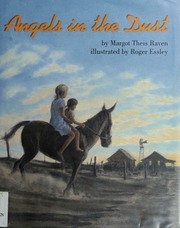
Angels in the Dust by Margot Theis Raven
Through the 1930s black blizzards buried the southern Plains. On one Oklahoma wheat farm, young Annie's family fights drought, dust and sickness to hold on.
What Did We Learn From the Dust Bowl by Ken Burns
Survivors of the 1930s black blizzards recall the storms and the lesson learned: tearing up the grassland invited disaster, and the land needs tending.
History Brief: The New Deal by Reading Through History
From 1933 to 1939 Franklin Roosevelt answered the Depression with an alphabet of new federal agencies and programs, permanently growing Washington's reach.
The New Deal made Things Worse... Much Worse | Politically Incorrect Guide to the Great Depression by Capital Research Center
Through the 1930s, this argument runs, New Deal price-fixing, cartels and taxes kept unemployment high and stretched the Depression out a full decade.
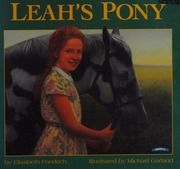
Leah's Pony by Elizabeth Friedrich
In the mid-1930s the bank auctions the family farm, so Leah sells her beloved pony to bid one dollar on Papa's tractor, and the neighbors follow her lead.
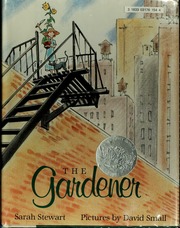
The Gardener by Sarah Stewart
Through 1935 and 1936 Lydia Grace, sent from the farm to her dour uncle's city bakery, writes letters home and grows a secret rooftop garden to make him smile.
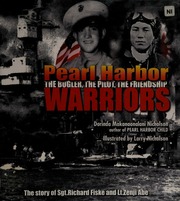
Pearl Harbor Warriors: The Bugler, the Pilot, the Friendship by Dorinda Nicholson
On December 7, 1941 Japan attacks Pearl Harbor, bringing the US into World War II. Years later an American bugler and one of the Japanese pilots become friends.
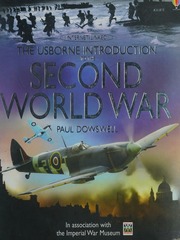
The Usborne Introduction to the Second World War by Paul Dowswell
World War II rages from 1939 to 1945. After Pearl Harbor in 1941 the United States joins the Allies and helps defeat Nazi Germany and Imperial Japan.
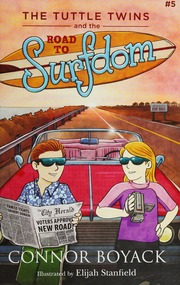
The Tuttle Twins and the Road to Surfdom by Connor Boyack
In 1944, as planned economies rose, F.A. Hayek warned in The Road to Serfdom where central planning leads. The twins watch good intentions pave Surfdom's road.
The Secret Project by Jonah Winter
In secret at Los Alamos, American scientists build the atomic bomb, first exploded in the New Mexico desert on July 16, 1945, opening the atomic age.
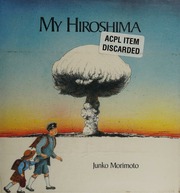
My Hiroshima by Junko Morimoto
On August 6, 1945 an atomic bomb levels Hiroshima. A survivor, a girl in the city that day, remembers the flash, the ruin, and the loss.

A Bowl Full of Peace: A True Story by Caren Stelson
On August 9, 1945 an atomic bomb destroys Nagasaki. A young survivor, Sachiko, keeps a family bowl that lived through the blast as a vessel of peace.
Postwar America
31 entries
The Tuttle Twins and the Food Truck Fiasco by Connor Boyack
In 1946 Henry Hazlitt boiled economics down to one lesson: look past a policy's first effects. The twins learn it saving a food truck from price controls.
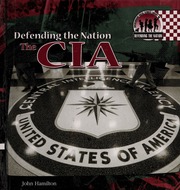
The CIA by John Hamilton
In June 1942, the wartime Office of Strategic Services is founded; the National Security Act of 1947 remakes it as the Central Intelligence Agency.
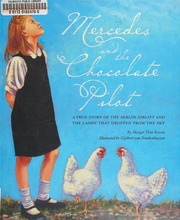
Mercedes and the Chocolate Pilot by Margot Theis Raven
In 1948, Stalin blockades West Berlin. American planes fly in food and coal, and one pilot, the 'Candy Bomber,' parachutes candy to the city's hungry children.
The Tuttle Twins and the Messed Up Market by Connor Boyack
In 1949 Ludwig von Mises published Human Action, on how prices and interest steer free people. The twins learn it the hard way in a market of their own.
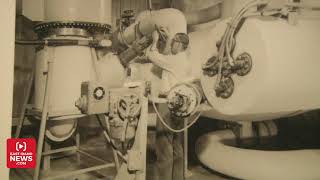
An experiment in Arco Idaho that changed the world forever by East Idaho News
On December 20, 1951 in the Idaho desert, EBR-I lights four bulbs, the first electricity ever made from atomic energy, turning the atom to peaceful use.

Why Did America Fight the Korean War? | 5 Minute Video by PragerU
In 1950 communist North Korea invades the South, and America leads a UN force to hold the line, a war that ends in stalemate at the border where it began.
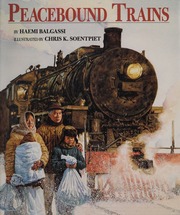
Peacebound Trains by Haemi Balgassi
In January 1951, as Seoul falls again in the Korean War, a grandmother and her children flee south on the roof of a crowded train through the freezing winter.
1950s Television: What You Didn't Know About the Golden Age of TV! by History Of Life
On January 19, 1953 some 44 million Americans watch Little Ricky born on I Love Lucy, more than any TV event before it, the peak of television's Golden Age.
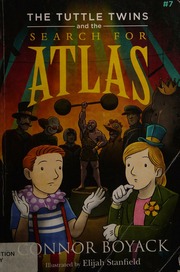
The Tuttle Twins and the Search for Atlas by Connor Boyack
In October 1957 Ayn Rand's Atlas Shrugged asked what happens when producers stop producing. The twins search for who really carries the world's work.
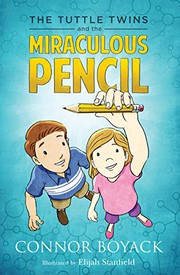
The Tuttle Twins and the Miraculous Pencil by Connor Boyack
In December 1958 Leonard Read's essay I, Pencil showed that no single person can make even a pencil. The twins trace the invisible teamwork of free trade.
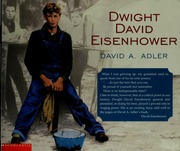
A Picture Book of Dwight David Eisenhower by David A. Adler
Follow a Kansas boy who grew up to command the Allied invasion of Normandy on June 6, 1944, and later became president.
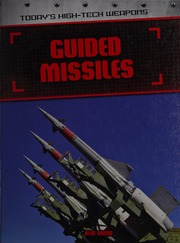
Guided Missiles by Alix Wood
By 1959, America's first long-range missiles could deliver a nuclear warhead to another continent in half an hour, the new backbone of the Cold War arms race.
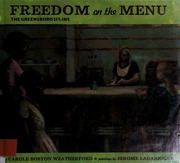
Freedom on the Menu: The Greensboro Sit-Ins by Carole Boston Weatherford
In February 1960 Black students begin peaceful sit-ins at a segregated Greensboro lunch counter, and on July 25 the Woolworth's finally serves them.
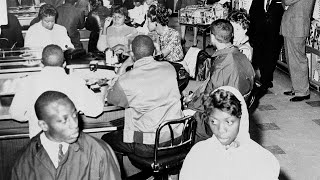
The Sit-In Movement by Voices of the Civil Rights Movement
By 1960 the sit-in movement has spread to lunch counters across the South. On October 19 Martin Luther King Jr. is arrested at an Atlanta sit-in.
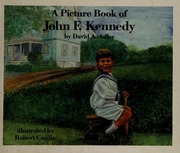
A Picture Book of John F. Kennedy by David A. Adler
Sworn in on January 20, 1961, John F. Kennedy leads the nation through the Cold War and the push for civil rights until he is assassinated in Dallas on November 22, 1963.
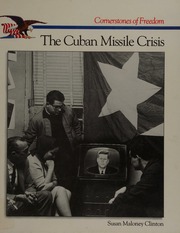
The Cuban Missile Crisis by Susan Clinton
In October 1962, American spy planes spot Soviet nuclear missiles in Cuba; for thirteen days, Kennedy and Khrushchev stand at the brink of nuclear war.
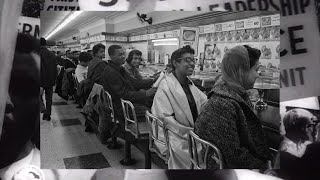
Did You Know: The Civil Rights Act of 1964 by Encyclopaedia Britannica
On July 2, 1964 President Lyndon Johnson signs the Civil Rights Act, outlawing segregation in public places and banning job discrimination by race.
Why Did America Fight the Vietnam War? by PragerU
From November 1955 to the fall of Saigon on April 30, 1975, America fights to stop communism spreading across Vietnam in its longest, most divisive war.
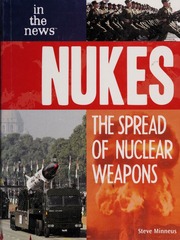
Nukes: The Spread of Nuclear Weapons by Steve Minneus
In 1968, dozens of nations sign the Nuclear Non-Proliferation Treaty, promising not to build or share atomic weapons and to keep the nuclear club small.
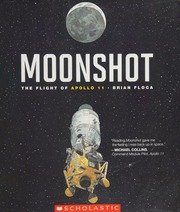
Moonshot by Brian Floca
On July 16, 1969, Apollo 11 lifts off from Florida; four days later, on July 20, Neil Armstrong and Buzz Aldrin become the first humans to walk on the Moon.
This Is America, Charlie Brown: The NASA Space Station
The Peanuts characters join a NASA crew aboard a space station, learning how astronauts live and work in orbit and why America reaches for space.
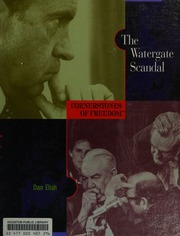
The Watergate Scandal by Dan Elish
On June 17, 1972, five ex-CIA burglars are caught inside the Democratic headquarters at the Watergate, the break-in that leads to President Nixon's resignation.
The Tuttle Twins and the Fate of the Future by Connor Boyack
In 1974 Murray Rothbard's Anatomy of the State asked what government really is beneath the flag. The twins weigh what the state gives against what it takes.
The Fall of Saigon by Mary Englar
North Vietnamese forces close in as the war ends; on April 30, 1975, Saigon falls, and Americans and Vietnamese refugees scramble to escape by air.

A Different Pond by Bao Phi
As Saigon falls on April 30, 1975, a Vietnamese family flees for America and starts over in Minneapolis, where a boy fishes before dawn with a father who still carries the war.
Steve Jobs & Steve Wozniak by Mike Venezia
In 1976, two young friends build a computer in a California garage and found Apple, turning a room-sized machine into something anyone could own at home.
Internet Inventors by Nelson Yomtov
In 1977, a landmark test links three different computer networks into one, the breakthrough that grows into the worldwide internet.
Microsoft by Cath Senker
On August 12, 1981, IBM sells its first personal computer running MS-DOS, the operating-system deal that makes Bill Gates's Microsoft a software giant.

The Tuttle Twins and the Leviathan Crisis by Connor Boyack
In 1987 historian Robert Higgs showed in Crisis and Leviathan how each emergency ratchets government bigger, and it never shrinks back. The twins see it live.
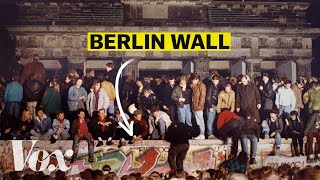
The Mistake That Toppled the Berlin Wall by Vox
On November 9, 1989, a bungled press conference sends East Berliners rushing to the wall; the overwhelmed guards open the gates, and the barrier comes down.
The Fall of the Soviet Union by Miles Harvey
On December 26, 1991, the Soviet Union dissolves, ending the decades-long Cold War and the rivalry that had shaped American life since World War II.
The Digital Age
28 entries
Tim Berners-Lee by Damian Harvey
In 1991, a British scientist launches the World Wide Web, the pages-and-links system that turns the internet into something anyone can browse and explore.
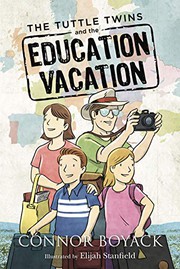
The Tuttle Twins and the Education Vacation by Connor Boyack
In 1992 veteran teacher John Taylor Gatto's Dumbing Us Down argued schooling isn't the same as education. The twins take their learning on the road instead.

The fight to ratify a 200-year-old amendment by Washington Post
On May 7, 1992 Madison's congressional pay amendment was ratified two centuries late, after student Gregory Watson's C-grade paper sparked a one-man campaign.
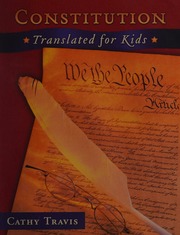
Constitution Translated for Kids by Cathy Travis
With all 27 amendments in place by 1992, the whole Constitution fits in one book: the original 1787 text beside a plain-English translation for kids.
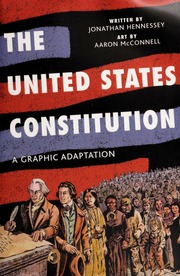
The United States Constitution: A Graphic Adaptation by Jonathan Hennessey
The complete Constitution as a graphic novel: the 1787 document and every amendment through the 27th, drawn as the story of how America governs itself.
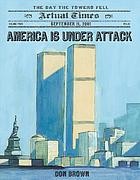
America Is Under Attack by Don Brown
On September 11, 2001, hijacked planes strike the Twin Towers and the Pentagon; both towers collapse as rescuers race into the ruins to save lives.
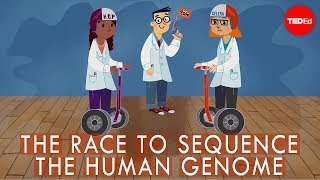
The Race to Sequence the Human Genome by TED-Ed
By 2003, scientists finish mapping the entire human genome, all 3 billion letters of our DNA, after a fierce public-versus-private contest to get there first.

The Afghanistan and Iraq Wars by Enzo George
In 2003, the US invades Iraq over claims Saddam Hussein held banned weapons; the dictator is captured that December, but the weapons are never found.

History of Cellphones and How Drastically They've Changed by Insider Tech
In June 2007, Apple's first iPhone hits stores. Smartphones already existed, but its friendly touchscreen brought one to the mass market and reshaped daily life.
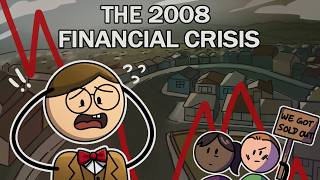
The 2008 Financial Crisis Explained Like You're 5 by Crayon Capital
In 2008, risky home loans and a housing crash topple Lehman Brothers and nearly the banking system, triggering the worst downturn since the Great Depression.
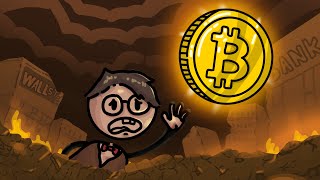
Bitcoin Explained Like You're 5 by Crayon Capital
On January 3, 2009, the anonymous Satoshi Nakamoto mines Bitcoin's first block, a digital money with no bank or government, born of distrust after the 2008 crash.

Julian Assange - Who Is He and What Did He Do? by The Sydney Morning Herald and The Age
In 2010, Julian Assange's WikiLeaks publishes hundreds of thousands of secret US war logs and diplomatic cables, sparking a global fight over transparency.
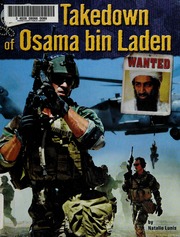
The Takedown of Osama bin Laden by Natalie Lunis
On May 2, 2011, US Navy SEALs raid a compound in Pakistan and kill Osama bin Laden, ending the ten-year hunt that had launched America's war in Afghanistan.

Edward Snowden - No Place to Hide | Animated Book Summary by Eudaimonia
In June 2013, NSA contractor Edward Snowden leaks secret files showing the US government was quietly collecting millions of Americans' phone and internet records.
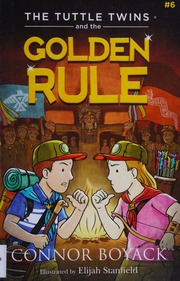
The Tuttle Twins and the Golden Rule by Connor Boyack
A 2017 fable of the oldest rule, treat others as you'd be treated, applied between kids and between nations. At camp the twins watch revenge spiral, then try peace.
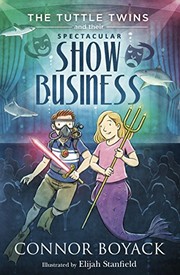
The Tuttle Twins and their Spectacular Show Business by Connor Boyack
In this 2018 entry the twins launch a backyard show and learn what entrepreneurs know: plans, prices, payroll and customers must all line up to earn a profit.
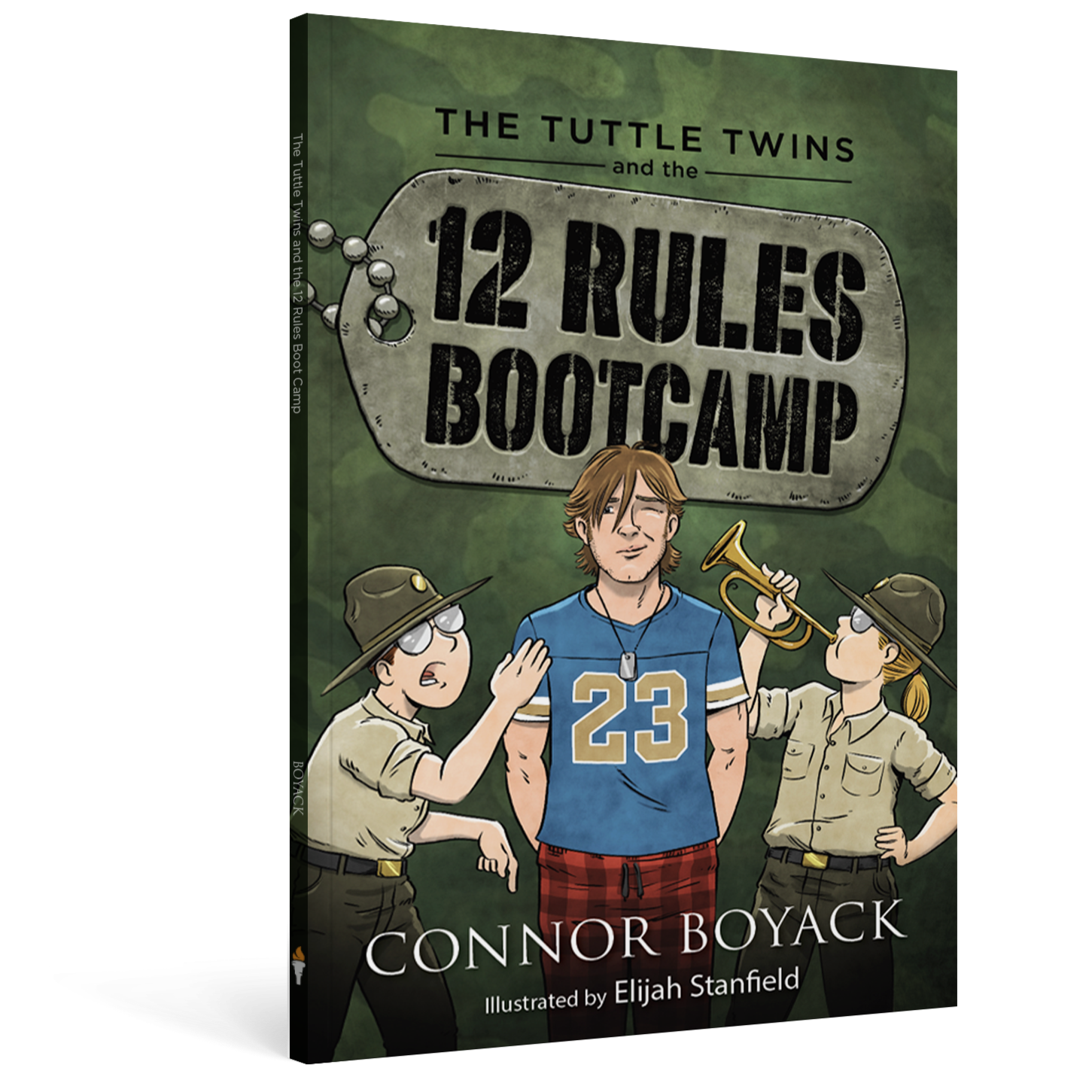
The Tuttle Twins and the 12 Rules Boot Camp by Connor Boyack
In January 2018 Jordan Peterson's 12 Rules for Life sold millions on order and responsibility. At boot camp the twins learn rules that make freedom work.

COVID 19 playlist by John Stossel
From March 2020 to 2024, 27 short Stossel reports track the pandemic: red tape, lockdowns, school closures, mandates and the reckoning that followed.

Large Language Models explained briefly by 3Blue1Brown
In November 2022 ChatGPT introduced millions to large language models, AI that learned language from the internet's text. Here is how they actually work.
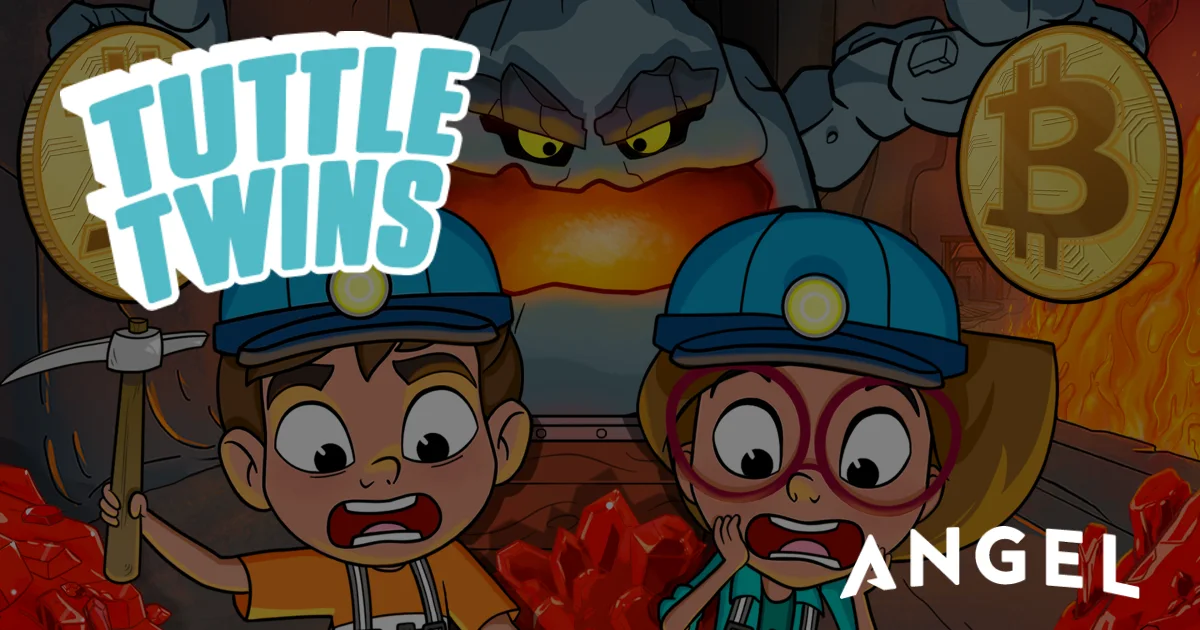
Tuttle Twins: Bitcoin and the Beast by Angel Studios
On May 2, 2023, Tuttle Twins' Season 2, Episode 3 becomes the first kids' cartoon to explain Bitcoin in a fun way, weighing it against the dollar at a garage sale.
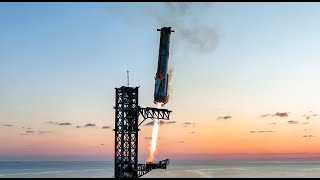
Starship's Fifth Flight Test by SpaceX
On October 13, 2024 SpaceX's launch tower caught the returning Super Heavy booster in its arms, a 232-foot rocket plucked from the sky to be flown again.
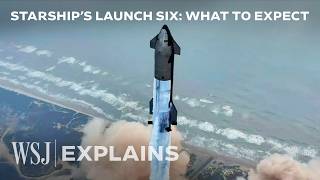
SpaceX Caught a Rocket With 'Chopsticks.' What Will Musk Try Next? by The Wall Street Journal
Catching boosters instead of dumping them in the sea is how launch costs collapse. On the reusability economics behind the October 2024 chopsticks catch.
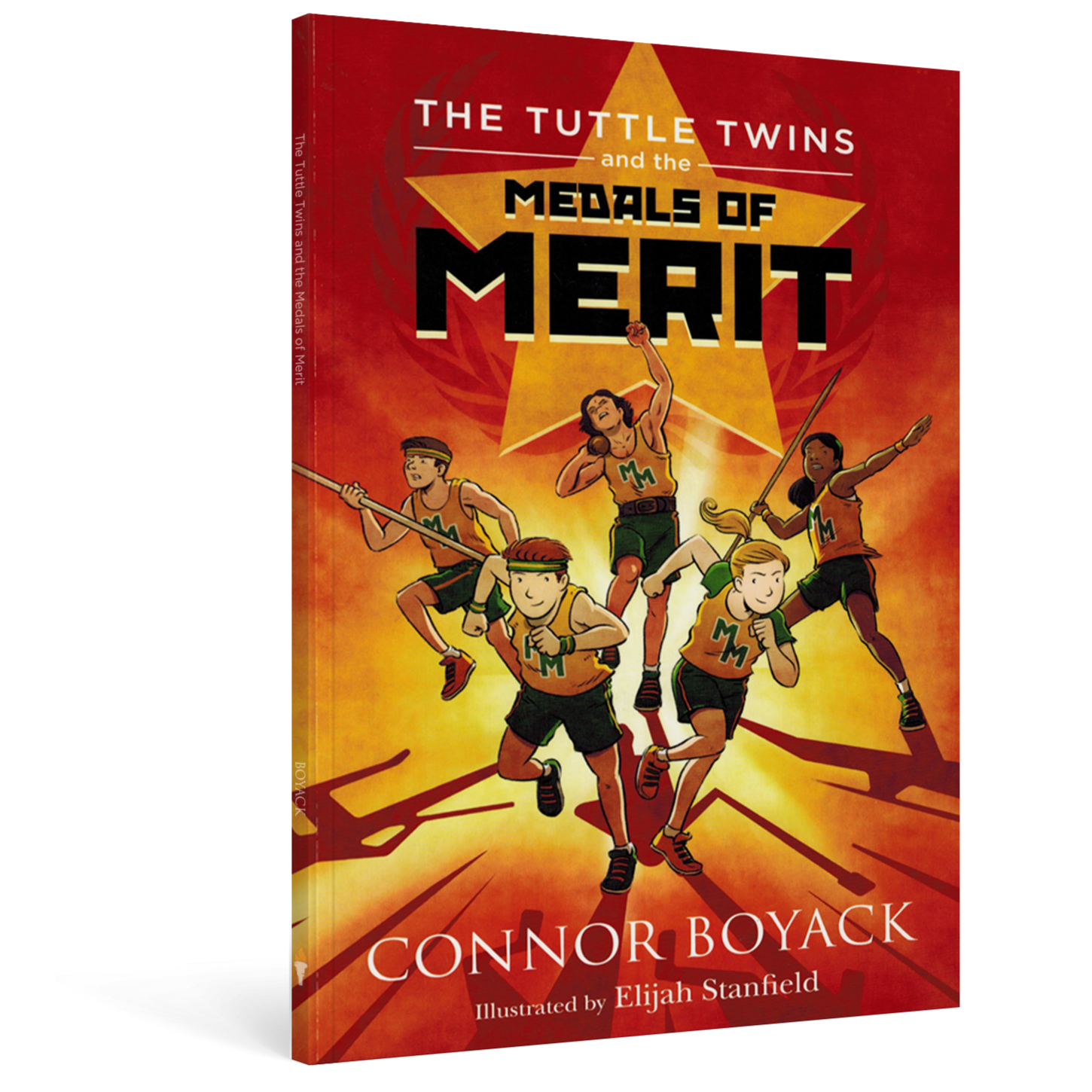
The Tuttle Twins and the Medals of Merit by Connor Boyack
In this 2024 story a competition starts rewarding identity over effort, and the twins ask what merit means and why medals must be earned to mean anything.

Idaho National Laboratory: From the First Usable Nuclear Energy to Advanced Reactors
Idaho National Laboratory promotes its push to advance nuclear microreactors, carrying America's nuclear work from EBR-I's four bulbs into today's reactors.

Nvidia Valar Atomics Collaboration by Valar Atomics
On July 2, 2026 the startup Valar Atomics uses its reactor to power an NVIDIA AI chip, the first time advanced nuclear energy directly ran artificial intelligence.

Tesla Just Did The Impossible! by The Tesla Space
In December 2025 a Tesla on FSD drove itself 2,732 miles from Los Angeles to Myrtle Beach with zero interventions, the first fully autonomous coast-to-coast trip.

Wait Until You See What Tesla & SpaceX Are Building by Tesla Jigsaw
In August 2026 Musk previewed Terafab, a planned 100 million square foot factory to churn out a terawatt of AI compute a year for robots and orbital data centers.

It’s Finally Happening: Cybercab Driving Empty in Austin by Tesla Jigsaw
In August 2026, as Tesla prepared to manufacture Optimus robots at scale, driverless Cybercabs began roaming Austin ahead of the September launch event.