AP American History: Unit 1
Period 1, 1491 to 1607. Every College Board topic in the unit, its official learning objective, and hand-picked books, primary sources and videos. Book links open a borrowable scan on archive.org or the book's Open Library page.
Contextualizing Period 1
Learning objective: Explain the context for European encounters in the Americas from 1491 to 1607.
1 pick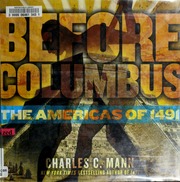
Native American Societies Before European Contact
Learning objective: Explain how and why various native populations in the period before European contact interacted with the natural environment in North America.
11 picks
Native American Societies Before 1492 by Heimler's History
Before 1492 hundreds of nations adapt to radically different environments; a six-minute review of the regional patterns the AP exam tests first.
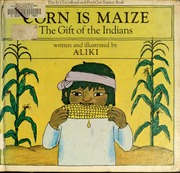
Corn Is Maize: The Gift of the Indians by Aliki
Centuries before 1491 maize, beans and squash spread north from Mexico, and the Three Sisters let hunting camps grow into settled farming towns.
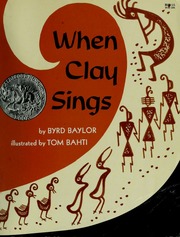
When Clay Sings by Byrd Baylor, illustrated by Tom Bahti
A thousand years after the pots were shaped, desert children gather the painted sherds and imagine the village lives each broken piece remembers.
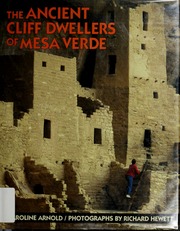
The Ancient Cliff Dwellers of Mesa Verde by Caroline Arnold
About 1200 the Ancestral Puebloans move their homes into the canyon walls at Mesa Verde, farm the mesa tops above, and within a century walk away forever.
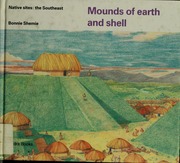
Mounds of Earth and Shell by Bonnie Shemie
For two thousand years before 1491 peoples of the Southeast raise mounds of earth and shell by the basket-load, temples and tombs that climax at Cahokia.
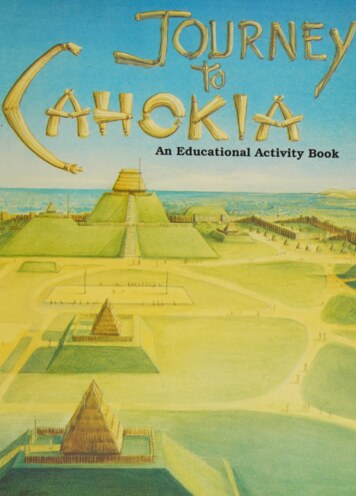
Journey to Cahokia: An Educational Activity Book
Around 1150 twenty thousand people live beneath the great mounds; maps, crafts and games walk a young visitor through the city at its height.
Hiawatha and the Peacemaker by Robbie Robertson, illustrated by David Shannon
Around 1450 Hiawatha, drowned in grief and revenge, carries the Peacemaker's message from nation to nation until five enemies plant the Tree of Peace.
Buffalo Woman by Paul Goble
Long before 1491 Plains bands follow the herds on foot, and in this tale a hunter marries into the bison nation and must earn the right to live as kin.
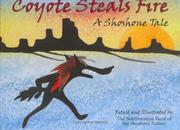
Coyote Steals Fire: A Shoshone Tale by the Northwestern Shoshone Nation
Long before 1491 small bands cross the dry Great Basin with everything they own, and in this Northwestern Shoshone telling the trickster wins warmth for the world.
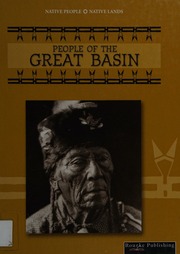
People of the Great Basin by Linda Thompson
Long before 1491 the Shoshone, Paiute, Ute and Washoe read a dry land closely, moving with the seeds, fish runs and game that each season offers.
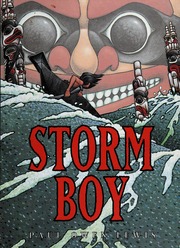
Storm Boy by Paul Owen Lewis
Long before 1491 salmon and cedar make the Northwest Coast rich without farms, and a chief's son swept to sea feasts in the village of the orca people.
European Exploration in the Americas
Learning objective: Explain the causes of exploration and conquest of the New World by various European nations.
4 picks
European Exploration in the Americas by Heimler's History
After 1492 caravels, new maps, joint-stock money and rival crowns turn Europe outward; a quick review of why exploration exploded when it did.
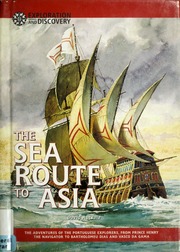
The Sea Route to Asia: Portuguese Explorers from Prince Henry to Vasco da Gama by David Rutsala
From the 1420s caravels probe farther down Africa's coast each year, and by 1498 the charts they carry home have opened the ocean roads east and west.
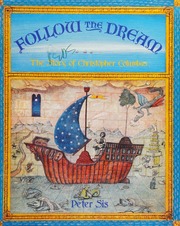
Follow the Dream: The Story of Christopher Columbus by Peter Sís
On October 12, 1492, Columbus wades ashore in the Bahamas believing he has reached Asia, and the Taino world begins to change forever.
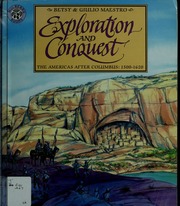
Exploration and Conquest: The Americas After Columbus: 1500-1620 by Betsy and Giulio Maestro
After 1494, when Spain and Portugal split the world along the Treaty of Tordesillas line, a century of rival crowns and captains races to claim the Americas.
Columbian Exchange, Spanish Exploration, and Conquest
Learning objective: Explain causes of the Columbian Exchange and its effects on Europe and the Americas during the period after 1492.
8 picks
The Columbian Exchange, Spanish Exploration, and Conquest by Heimler's History
From 1492 crops, animals, silver and disease cross the ocean in both directions; a five-minute review of the exchange that rewired two hemispheres.
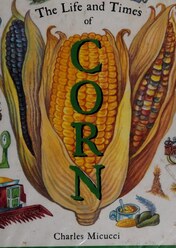
The Life and Times of Corn by Charles Micucci
Tamed from a wild Mexican grass 9,000 years ago, maize feeds the Americas' nations, then sails east after 1493 to plant fields on every continent.
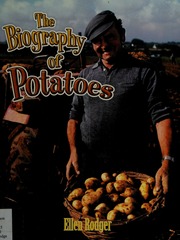
The Biography of Potatoes by Ellen Rodger
After 1532 the Andes' buried staple sails to Spain, outlives Europe's poison rumors to feed its poor, then fails Ireland when the blight arrives.
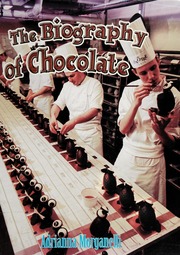
The Biography of Chocolate by Adrianna Morganelli
For a thousand years cacao is coin and sacred drink to Maya and Aztec lords; after 1519 Spain ships it east and Europe sweetens it into obsession.

Outbreak! Plagues That Changed History by Bryn Barnard
In 1520 smallpox reaches Tenochtitlan ahead of the conquistadors and topples an empire. Read just pages 10-15, the smallpox spread of this plague gallery.
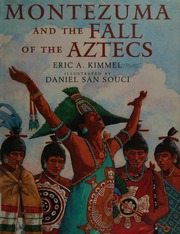
Montezuma and the Fall of the Aztecs by Eric A. Kimmel, illustrated by Daniel San Souci
From 1519 to 1521 Cortes, steel, smallpox and thousands of Native allies bring down an empire and its island capital of Tenochtitlan.
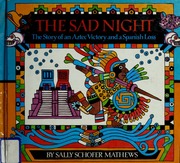
The Sad Night: The Story of an Aztec Victory and a Spanish Loss by Sally Schofer Mathews
On June 30, 1520, Tenochtitlan rises and drives the invaders down the causeways, where soldiers sink under looted gold; the victory buys the city one more year.
The Spanish Empire, Silver, and Runaway Inflation by CrashCourse
After 1545 the silver mountain at Potosi floods the world with American treasure, bankrolling Spain's empire and upending prices across Europe and Asia.
Labor, Slavery, and Caste in the Spanish Colonial System
Learning objective: Explain how the growth of the Spanish Empire in North America shaped the development of social and economic structures over time.
7 picks
Labor, Slavery, and Caste in Spanish America by Heimler's History
From 1503 Spain's colonies weld forced labor, African slavery and a caste of birth into one system; a six-minute review of the topic's tested structures.
Bound for America: The Forced Migration of Africans to the New World by James Haskins and Kathleen Benson, paintings by Floyd Cooper
In 1501 Spain authorizes African slavery in its colonies, the first enslaved people land at Hispaniola in 1502, and from 1518 ships sail straight from Africa.
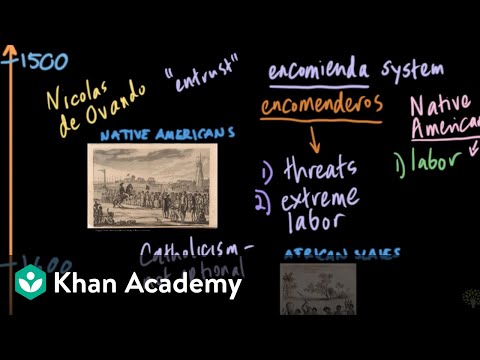
The Encomienda System by Khan Academy
From 1503 Spain grants conquistadors the forced labor of whole Native villages, worked to exhaustion in fields and silver mines in the crown's name.
Bartolome de las Casas: Changing Your Mind by Extra History
In 1542 Bartolome de las Casas, once an encomendero himself, persuades Spain to pass the New Laws limiting the enslavement of Native peoples.
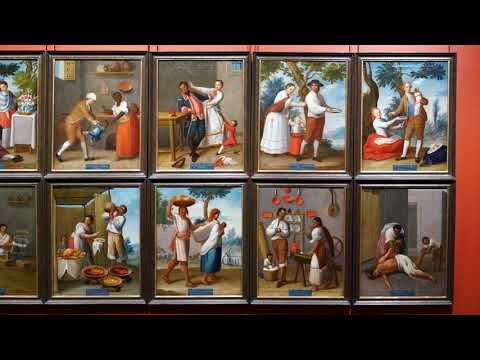
Pride and Anxiety in New Spain: Sixteen Casta Paintings by Smarthistory
Painted about 1775, New Spain's casta grids label parents and child rung by rung, proof the ladder built in the 1500s still ruled two centuries later.
Cultural Interactions Between Europeans, Native Americans, and Africans
Learning objective: Explain how and why European and Native American perspectives of others developed and changed in the period.
3 picks
Cultural Interactions Between Europeans, Native Americans, and Africans by Heimler's History
From first contact Europeans and Native nations read land, religion and family differently; a review of the collisions and accommodations that follow.
Missions, Ranches, and Forts: Life in Spanish Settlements by George Capaccio
In 1573 Spain's Royal Orders make missionaries, not soldiers, the spearhead of empire, and daily life on the frontier is lived under bells, brands and walls.
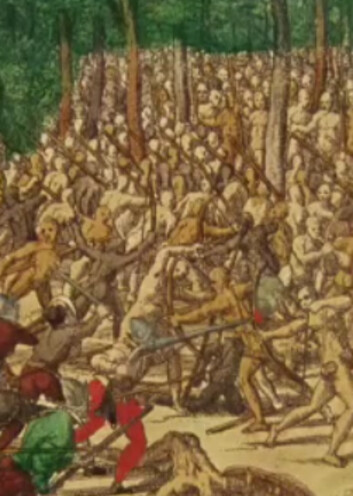
The Pueblo Revolt by PBS LearningMedia
In 1680 the Pueblos, united under Popé, drove the Spanish out of New Mexico for twelve years. The horses left behind spread north, igniting the Plains horse culture.
Causation in Period 1
Learning objective: Explain the effects of the development of transatlantic voyages from 1491 to 1607.
1 pick